
Nuts have fantastic health benefits that encourage people to consume them as healthy snacks. One of the most significant health benefits of nuts is that most have minerals and vitamins that lower the risks of heart problems.
Therefore, by knowing which nuts are suitable for the heart, you can easily add nuts to your heart-healthy diet and not only enjoy their crispy and creamy taste but also benefit from their healthy fats and proteins.
What nuts are good for heart?
First, you should know what makes a nut a heart-healthy snack. Generally, having no cholesterol, being sodium-free, and containing healthy fats are the main factors that make any food suitable for heart health.
However, other factors can help in finding better food for heart health. Here is the list of nuts that are good for the heart.
1. Walnuts Benefits for Heart Health
Walnuts are called “Super Food” because they are rich in protein, magnesium, Vitamin B-6, and many other excellent nutrients. Two of the principal risks of having any heart disease are high blood pressure and high cholesterol.
But walnuts, packed with healthy fats with no cholesterol, can maintain healthy cholesterol levels and decrease blood pressure. But that’s not finished yet! Walnuts have the highest amount of Omega-3 among other nuts. Omega-3s are great for the heart and blood vessels.
They can help to reduce the risk of irregular heartbeat (which is called arrhythmia). Therefore, you can find anything that can improve heart health in walnuts. Eating seven walnuts a day (almost 28 grams or 1 cup) can boost your brain function and help to reduce the risks of heart attacks.
But remember, walnuts or any other nuts are not the only factors that affect your heart health. Having an active life, quitting smoking, and eating other healthy foods also impact your health.
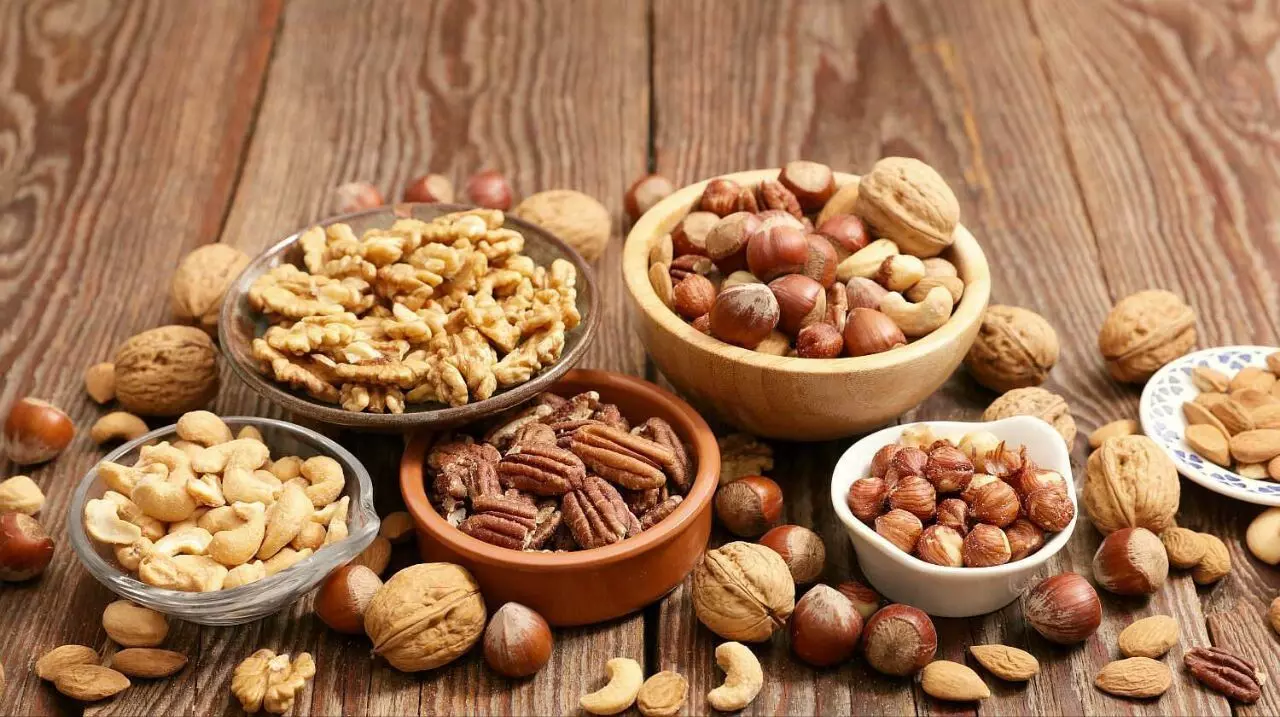
Help your Heart with these nuts
Here are the nutrition facts for 100 grams of raw walnuts:
Calories: 654
Monounsaturated fat: 9 g
Polyunsaturated fat: 47 g
Protein: 15 g
Potassium: 441 mg (12% Daily Value)
Magnesium: 39% Daily Value
Iron: 16%
Vitamin B-6: 25%
2. Peanuts Benefits for Heart Health
Peanuts are also in the group of heart-healthy nuts. Like walnuts, peanuts are also a rich source of monounsaturated fat, which can manage cholesterol and reduce the level of LDL (stands for low-density lipoproteins, which is known as bad fat or bad cholesterol).
Peanuts are also packed with potassium and magnesium, which help control blood pressure and reduce the risks of type 2 diabetes. The anti-oxidants and Vitamin E are among the other nutrients in peanuts that are good for heart health because they can protect the body against inflammation and prevent damage inside arteries. Many people consider adding peanuts to their weight-loss diet too.
Researchers have found that eating at least 28 grams (a handful) of peanuts each day can help with your heart health. Unless you don’t have any allergy to peanuts, you won’t have any problem eating them every day.
Please note that the benefits of raw peanuts and roasted peanuts are the same. But it’s always better to consider the one without sodium. Therefore, if you choose roasted peanuts, always check to ensure they don’t contain additives or are low on salt.
Here are the nutrition facts for 100 grams of raw peanuts:
Calories: 567
Monounsaturated fat: 24 g
Polyunsaturated fat: 16 g
Protein: 26 g
Potassium: 705 mg (20% Daily Value)
Magnesium: 42% Daily Value
Iron: 25%
Vitamin B-6: 15%
3. Almonds Heart-Heath Benefits
As a great source of Vitamin E, Almonds can reduce inflammation and improve blood flow. Almonds are also very high in magnesium, hindering buildup and cholesterol plaque in arteries and preserving them from being clogged.
Since Almonds have the highest amount of beneficial components, eating 14 grams of almonds each day can boost your health. Moreover, if you should pick only one nut to promote the function of your heart, you can choose almonds without any guilt.
The number of good fats in almonds is so high, which can maintain the cholesterol level and lower LDL, which are bad for the heart.
It should be mentioned that too many almonds a day are not good and might be harmful to your body.
Therefore, always be aware of consuming an adequate amount of these nuts each day. Usually, eating 8 to 10 almonds a day won’t have any damaging effects on your body.
4. Cashews Heart-Health Benefits
Cashews have several cardiovascular benefits. They are packed with whatever is needed for a healthy heart, such as vitamin E, vitamin B-6, folic acid, and unsaturated fats, beneficial in moderate quantities.
The healthy fat in this nut can help increase the capacity for HDL, which is responsible for absorbing the cholesterol from the heart and taking it to the liver, where it can be broken down.
Therefore, cashews can help the heart and reduce the risks of heart attack by lowering the cholesterol level.
A healthy daily intake of cashews is 28g (a small handful), almost 15 cashews. But it’s essential to take care of the number of cashews you consume each day because they are dense in calories.
Here are the nutrition facts for 100 grams of cashews:
Calories: 553
Monounsaturated fat: 24 g
Polyunsaturated fat: 8 g
Protein: 18 g
Potassium: 660 mg (18% Daily Value)
Magnesium: 73% Daily Value
Iron: 37%
Vitamin B-6: 20%
5. Pine Nuts Benefits for Heart
Pine nuts are loaded with high Polyunsaturated Fat, which is good for the heart. This nut is cholesterol-free and doesn’t have any sodium. Being high in magnesium is another reason why pine nuts are considered one of the best heart-healthy nuts.
The combination of monounsaturated fats, magnesium, and vitamin E, is a great shield to protect the heart from different diseases. Like other nuts on this list, pine nuts are also incredible edibles that can reduce cholesterol levels.
Having balanced cholesterol and preventing it from exceeding the average level is the primary key to protect the heart. That’s what pine nuts can easily do.
Here are the nutrition facts for 100 grams of pine nuts:
Calories: 673
Monounsaturated fat: 19 g
Polyunsaturated fat: 34 g
Protein: 14 g
Potassium: 597 mg (17% Daily Value)
Magnesium: 62% Daily Value
Iron: 30%
Vitamin B-6: 5%
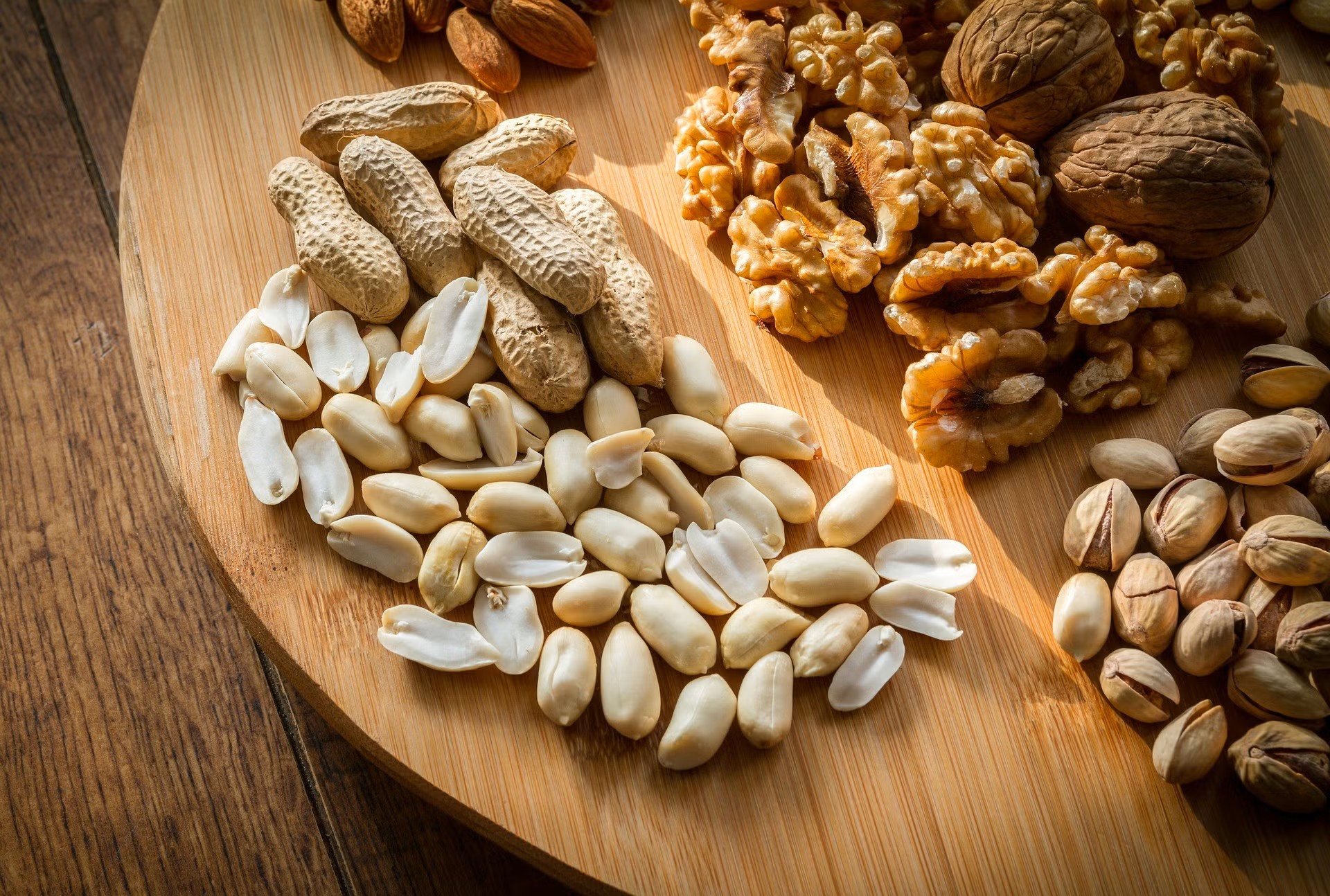
Help your Heart with these 5 awesome nuts
Other Heart-Healthy Nuts to Include in Your Diet
Pecans and macadamia nuts are among other nuts with heart-healthy fats. However, nuts roasted in hydrogenated oil and coated with salt are not healthy.
Incorporating a variety of nuts into your diet can provide a broader spectrum of nutrients, each offering unique benefits for cardiovascular health. Nuts are a versatile and convenient snack that can be added to salads, yogurt, or oatmeal for an easy nutritional boost. Here are some additional nuts to consider and their specific benefits:
- Walnuts: Rich in omega-3 fatty acids, walnuts help reduce inflammation and improve heart health by lowering LDL cholesterol levels.
- Almonds: High in vitamin E and magnesium, almonds support healthy blood vessels and can aid in managing blood pressure.
- Pistachios: Packed with antioxidants and phytosterols, pistachios are known to lower LDL cholesterol and promote healthy blood sugar levels.
- Cashews: Contain healthy fats and essential minerals like copper and magnesium, which support cardiovascular function.
- Hazelnuts: High in monounsaturated fats and folate, hazelnuts contribute to better cholesterol profiles and support overall heart health.
- Brazil Nuts: An excellent source of selenium, Brazil nuts improve antioxidant levels, supporting heart health and preventing inflammation.
Choosing raw or dry-roasted varieties without added sugars or excessive salt ensures you gain the maximum health benefits from these nutrient-packed snacks. A small handful of mixed nuts each day can be a powerful step toward better heart health and overall wellness.
Nuts for heart health
Your risk for heart disease changes based on what you eat and how you live. According to one study in the Journal of the American Medical Association, almost half of the cardiometabolic deaths are associated with diet. The factor that contributed to most dietary-related deaths was too much sodium. The second biggest factor was not eating enough nuts and seeds.
Nuts are an essential part of your heart-healthy diet. In 2019, a review of 19 separate studies was published in the journal Nutrition reviews. It found that people who ate more nuts have lower risks of cardiovascular disease, coronary heart disease, atrial fibrillation, and stroke. Plus, if you already have one of these conditions, eating nuts can help reduce your risk of dying from it. Many of these benefits were maximized for people who ate at least five servings per week.
Eating nuts is also linked with lower total cholesterol and LDL (“bad”) cholesterol levels.
Nuts also have anti-inflammatory and antioxidant properties. Eating them is linked to lower levels of inflammation, oxidative stress, and better function of the inner lining of your blood vessels. All of these are good for your heart health and your overall health.
Nuts for weight
Nuts are an excellent addition to your diet—even if you’re trying not to gain weight. While they are higher in good fats and calories than most fruits and vegetables, eating nuts in moderation is not linked with gaining weight. Nuts seem to reduce the feeling of hunger.
In fact, a 2019 study published in the journal Advances in nutrition found that people who ate nuts had a significantly lower risk of belly fat (abdominal obesity).
These properties of nuts could be because of the protein or fiber that’s in them. It can also be from their heart-healthy unsaturated fats. Plain nuts are also low in sugar. Whatever your weight, nuts are a healthy food to eat. Many times, just a small amount of nuts is enough to decrease your hunger.
1. Spiced Roasted Nuts
Lightly roast almonds, walnuts, or pecans with a touch of olive oil and spices like cinnamon or smoked paprika. Nuts are rich in healthy fats that support heart health.
2. Warm Oatmeal with Fruit
Top a bowl of unsweetened oatmeal with sliced apples, banana, fresh or frozen berries, or a sprinkle of cinnamon. Oats are high in fiber, which can help lower cholesterol.
3. Veggie and Hummus Platter
Slice winter vegetables like carrots, celery, and radishes to pair with heart-healthy hummus. Add a dash of paprika or olive oil for extra flavor.
4. Greek Yogurt Parfait
Layer unsweetened Greek yogurt with pomegranate seeds, walnuts, and a drizzle of honey. This snack is packed with protein, antioxidants, and healthy fats.
5. Dark Chocolate and Oranges
Enjoy a small piece of dark chocolate (70% cocoa or higher) paired with fresh orange slices. Dark chocolate and citrus are both rich in heart-healthy nutrients.
6. Hearty Lentil Soup
A small bowl of lentil or vegetable soup is a warming, nutrient-dense snack that is full of fiber and plant-based protein.
7. Avocado Toast
Spread mashed avocado on whole-grain bread and top with a sprinkle of red pepper flakes or a few pomegranate seeds for a burst of flavor and healthy fats.
8. Baked Apple Slices
Slice apples, sprinkle with cinnamon, and bake until soft. This simple, naturally sweet treat is full of heart-friendly fiber.
9. Edamame with Sea Salt
Steam edamame and sprinkle with a pinch of sea salt for a warm, high-protein snack that is low in saturated fat.
10. Popcorn with Olive Oil
Air-pop some popcorn and drizzle with olive oil instead of butter. Add a pinch of garlic powder or nutritional yeast for a healthy, savory twist.
These snacks are perfect for staying cozy and healthy throughout the season. Do you have a favorite heart-healthy snack?