Have you ever had a situation where, when you are buying saffron, the seller asks you what type of saffron you want? If your answer is yes, you were probably surprised and taken aback when they asked you this question. Did you say to yourself, “Do we have more types of saffron?” We have to say, yes! The difference between types of saffron is related to how it is harvested, as we mentioned in previous articles.
Types of saffron and their differences
It is interesting to know that the criteria for classifying saffron types in different countries are different. We can divide saffron into different types according to its physical characteristics and of course content. In the classification of saffron by physical criteria, this plant is classified according to its form and shape and of course by content criteria regarding its quality. Currently, the best type of saffron in Iran is Qaenat and Gonabad saffron. The classification that we want to mention in this article is the types of saffron according to its form and shape.
saffron
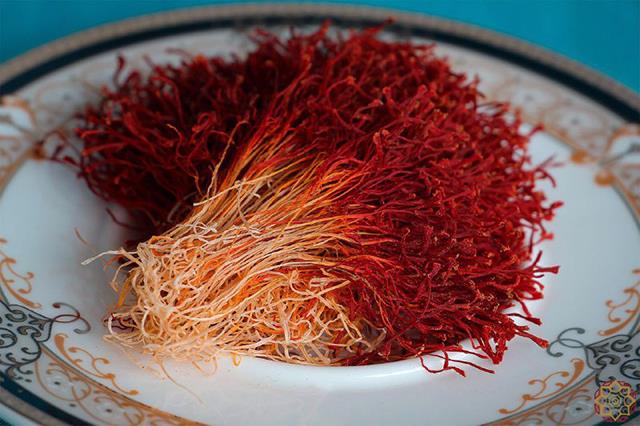
Negin saffron
One of the types of saffron, Negin saffron, which only includes the red parts of the saffron stigma and no yellow or white is seen in it.
Sargol saffron
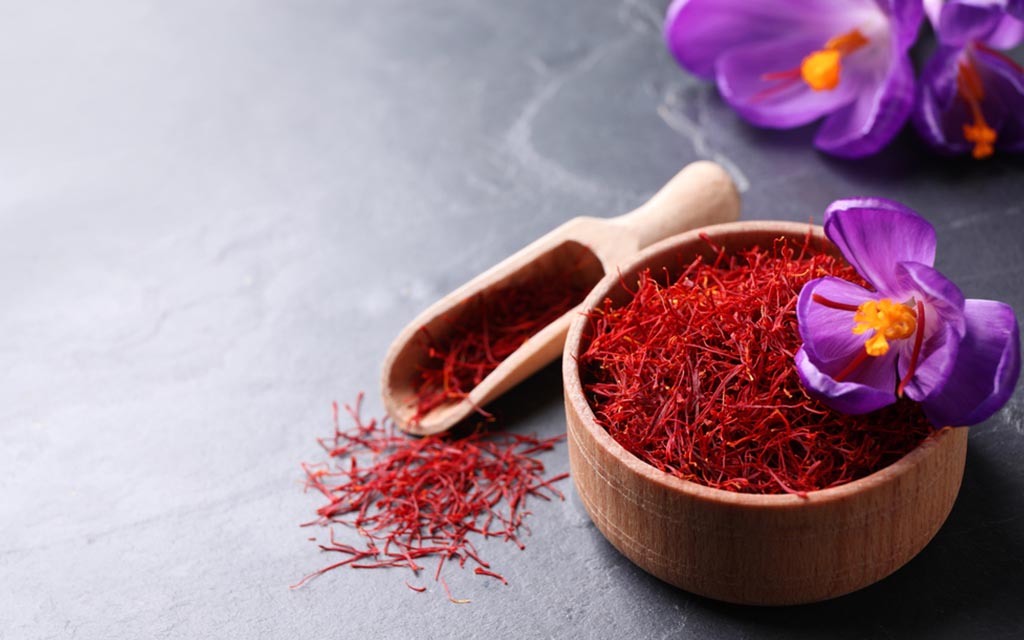
Sargol saffron is the saffron that we often buy in one-gram and one-pound packages for our daily consumption. This type of saffron is prepared from the beginning of the stigma or the head of the saffron stalk.
Pushal saffron
Pushal saffron is a type of saffron that is made from saffron stigmas along with a part of the cream. Pushal saffron has a longer shelf life than other types of saffron and has a higher coloring power than bunch saffron.
Bunch saffron
Bunch saffron is the most basic type of saffron. This saffron is made from an entire saffron thread, meaning the complete combination of stigmas and cream.
White saffron
As we have mentioned many times before, the difference between saffron types is in the way it is harvested, or rather, the cleaning method. If only the end and white part remains when the saffron is cleaned, the resulting saffron is called white saffron.
Difference between Sargol and Negin saffron
Sargol saffron, which is obtained by cleaning and sifting the husk, is completely red and does not have any white threads. The point that distinguishes Negin saffron from Sargol is its size. When Sargol saffron is cleaned, it can break, which is why Sargol saffron is finer and more fragile than Negin saffron.
What type of saffron should we export?
Different types of saffron are exported based on the needs and tastes of customers in target markets. If you are planning to buy saffron as a gift, the best choice is Negin saffron with stylish and luxurious packaging. For culinary, medicinal and cosmetic uses, Sargol saffron is a suitable and popular option.
In saffron export, paying attention to the destination and shipping distance is of great importance. For example, in European countries, Super Negin saffron is more welcomed, and at the same time, there is great attention to the proportion of the type and price of the product. These countries also have strict rules for importing saffron that must be considered.
What is the profit percentage of each type of saffron in exports?
The profit percentage and selling price of saffron depend on various factors, including the type of saffron, the country of destination, packaging, the amount of wholesale or retail purchase, and the method of sale.
Information that should be included in the packaging brochure:
Production and expiration date
Product storage conditions
Net weight of saffron per package
Practical information about the product such as benefits or precautions for the consumer
Image of health, hygiene and trust symbols
types of saffron
Saffron Export Stages
Exporting saffron, as one of Iran’s most valuable agricultural products, requires specific and legal steps. Familiarity with these steps helps exporters enter global markets more confidently and quickly and avoid potential problems. Below are the most important steps in exporting saffron:
Producing or supplying high-quality saffron
Marketing
Obtaining the necessary permits
After marketing and accurately identifying the target market, obtaining the necessary permits is of great importance to ensure quality, health, and compliance with customs laws. The first step is to obtain a business card, which is issued by the Iranian Chamber of Commerce, Industries, Mines, and Agriculture, without which export is not possible.
What is the basis for pricing saffron for export?
The price of saffron for export is determined based on the dollar rate and global market conditions. The quality and grade of saffron play an important role in pricing, as well as consumer demand. As a luxury product used in cooking, pharmaceuticals, and cosmetics, the price of saffron is always of interest to global markets, and its fluctuations depend on various factors.
Challenges of Saffron Export
Despite good opportunities, saffron exports are also accompanied by challenges that must be addressed to succeed in global markets. Familiarity with these problems helps exporters find appropriate solutions and improve the export process.
High competition in pricing: Given the extensive presence of Spain and Afghanistan in this market, which are Iran’s competitors.
Relations between countries and sanctions: This can pose a problem for Iranian exporters in terms of the ability to pay and receive the amount of goods.
Currency fluctuations: This option can increase transportation, packaging, and customs costs.
Destination country laws: Sending saffron to American countries requires stricter laws and permits such as organic product certification.