
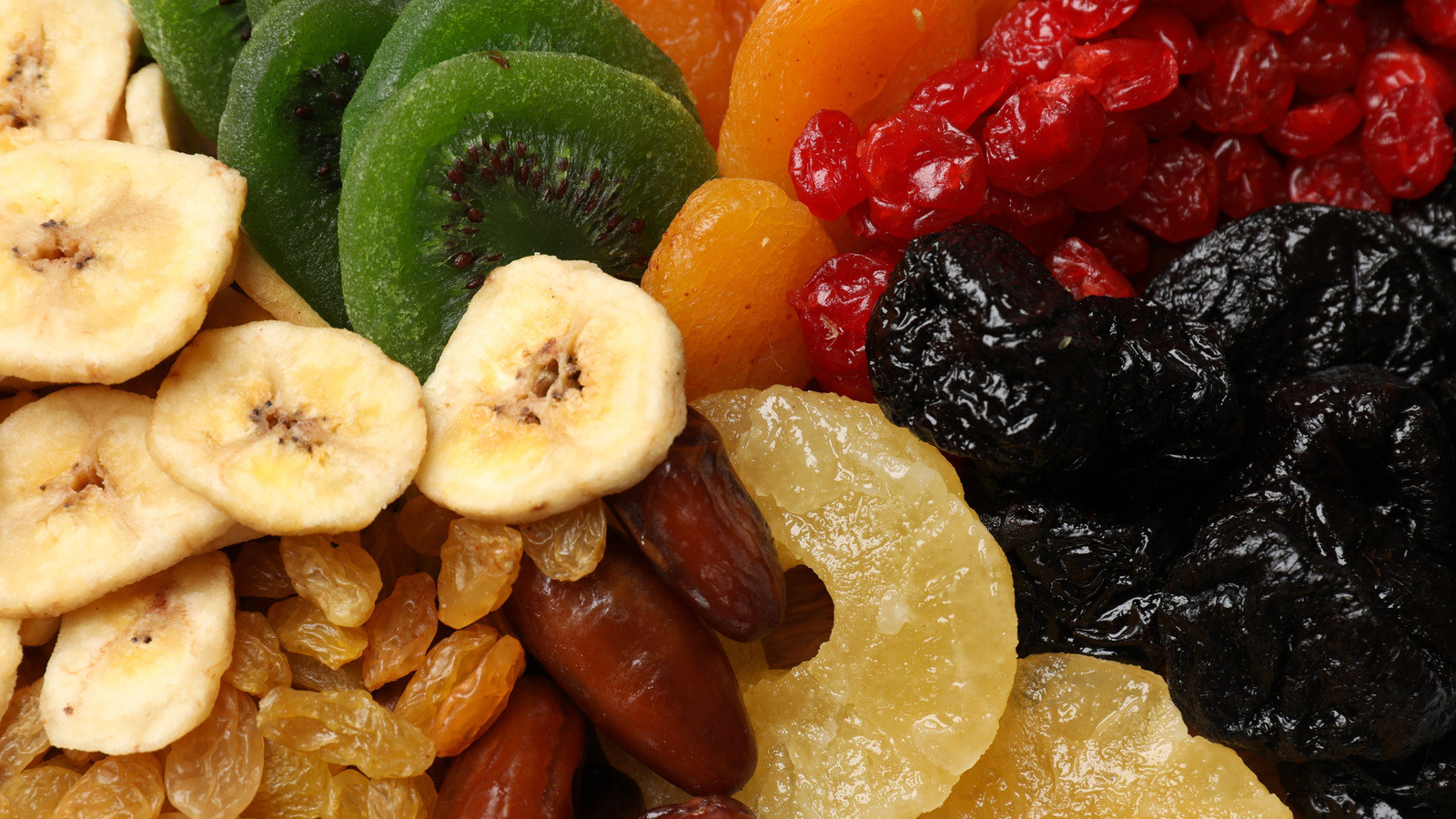
Is dried fruit better or fresh fruit? What is the difference between dried fruit and fresh fruit? Which one has more properties and what are their similarities? Does the nutritional value of fruit decrease when it is dried? These are common questions that have definitely crossed our minds and we are confused about which one is better for our health. Join us to answer these questions.
dried fruit better or fresh fruit
6 Differences Between Dried Fruit and Fresh Fruit
Dried fruit has become so popular among people in recent years that the topics surrounding it, including its similarities and differences with fresh fruit, have occupied the minds of many. In the following, we intend to examine 6 major differences between these two delicious products:
Differences Between Dried and Fresh Fruits in Nutritional Value
Both fresh and dried fruits have unique nutritional values that provide various health benefits. However, the processing methods used to produce dried fruits may alter some of their nutrients and affect their overall quality. This section explains the differences between dried and fresh fruits in detail.
Difference Between Fresh and Dried Fruit in Fiber Content
Both fresh and dried fruits are excellent sources of dietary fiber, which plays an important role in promoting digestive health, regulating blood sugar levels, and reducing the risk of heart disease. However, dried fruits, due to their dense nature, tend to contain more fiber than fresh fruits. For example, ½ cup of fresh apricots contains about 3 grams of fiber, while ½ cup of dried apricots has about 6 grams of fiber.
Vitamin C Content Comparison
Vitamin C is an essential nutrient for supporting the immune system, wound healing, and collagen synthesis. The difference between dried and fresh fruit is significant in the amount of vitamin C they contain. Most fresh fruits are good sources of vitamin C, but the drying process reduces their vitamin C content by up to 80%. Therefore, you will get less vitamin C from dried fruit than from fresh fruit. For example, a cup of fresh bananas contains about 24% of the vitamin C, while a cup of dried bananas provides only 2% of the vitamin C.
Antioxidants
Antioxidants are compounds that protect cells from damage caused by free radicals. Free radicals are molecules that can cause oxidative stress (an imbalance of antioxidants and free radicals) in your body, which can lead to chronic diseases such as cancer and heart disease. Many fresh and dried fruits are rich in antioxidants such as polyphenols, flavonoids, and carotenoids. However, some studies show that the drying process may increase the antioxidant content of some fruits.
According to the Journal of the American College of Nutrition, some dried fruits are rich sources of antioxidants. For example, phenols (a type of antioxidant) are found in dried fruits, such as figs and dates, in higher amounts than in fresh fruit.
Differences between fresh and dried fruits in sugar content
One of the most common issues that separates dried fruits from fresh fruit is their sugar content. Fresh fruits naturally contain sugar (mostly in the form of fructose). Although this sugar is a natural part of the fruit’s structure, many people worry about consuming too much of it, especially if they have diabetes or are trying to lose weight.
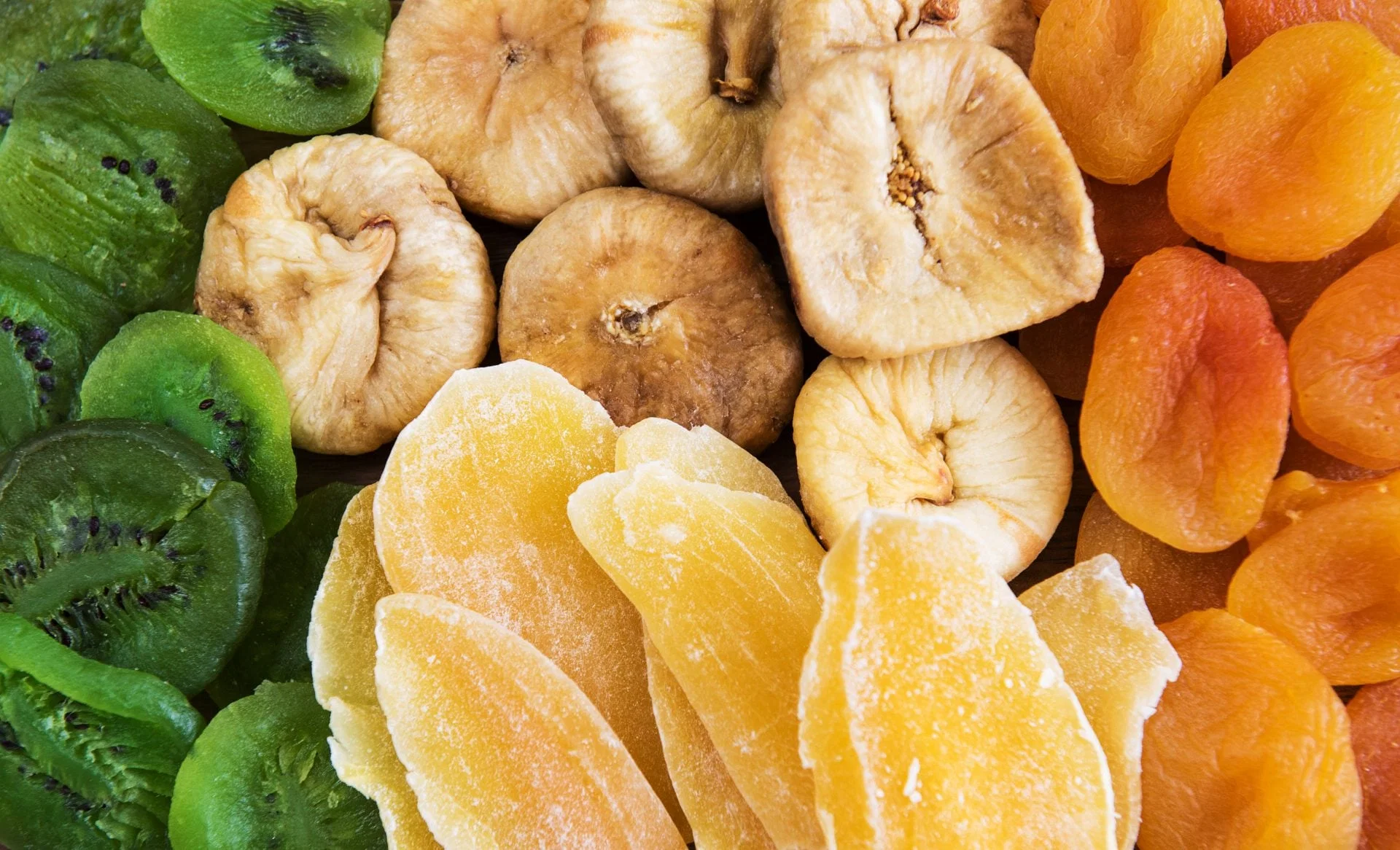
The truth is that dried fruits can be much higher in sugar than fresh fruits because the sugars are preserved in the drying process. For example, a cup of fresh grapes has about 23 grams of sugar, while a cup of raisins has about 98 grams of sugar.
But it is important to know that the sugar content of dried fruits is not the same. For example, raisins and prunes have more sugar than other dried fruits. On the other hand, dried apricots and cranberries have less sugar.
It is worth noting that sugar is added to some fruits when they are dried, so always read the label before buying.
Is dried fruit better or fresh fruit
Glycemic Index
The glycemic index (GI) is a measure of how quickly carbohydrates in a food raise blood sugar levels. Foods with a high GI are digested and absorbed quickly, causing a sharp rise in blood sugar. While foods with a low GI are digested more slowly, causing a gradual rise in blood sugar levels.
The glycemic index is another difference between dried and fresh fruit. Dried fruit has a higher GI than fresh fruit due to its higher sugar content. Of course, some dried fruits, such as prunes, have a lower GI.
Similarities between fresh and dried fruit
One of the biggest similarities between dried and fresh fruit is their nutrient content. Both types of fruit are rich in vitamins, minerals, and fiber, all of which are essential for a healthy diet. However, because dried fruit is denser, it packs more nutrients into each serving. For example, a cup of fresh grapes contains about 1.4 grams of fiber, while a cup of raisins has about 5 grams of fiber. (This comparison was made above for grape sugar.)
Another similarity between dried and fresh fruit is their antioxidant content. This was also mentioned in the section on the difference between dried fruit and fresh fruit. Both fresh and dried fruits are rich in antioxidants, and by consuming either, we will benefit from their antioxidant properties. However, as mentioned, studies have shown that some dried fruits have higher antioxidant levels than fresh fruit. For example, the antioxidants in dried plums are absorbed more than fresh plums.