
When it comes to the world’s most luxurious spice, every detail matters — even its form. Step into any gourmet kitchen or spice shop and you’ll find two faces of saffron: delicate crimson threads and fine golden powder. Both promise rich color, aroma, and flavor — yet they aren’t quite the same.
So, which one truly unlocks the magic of Saffron Threads vs. Saffron Powder? In this guide, we’ll dive into the vibrant world of saffron, uncovering their differences, best uses, and how to choose the right one for your next dish.
What Are Saffron Threads?
Before saffron becomes powder, it begins its journey as threads — nature’s most beautiful spice strands. These thin, vivid filaments are hand-harvested from the heart of the Crocus sativus flower, each one carrying the essence of luxury, patience, and craftsmanship.
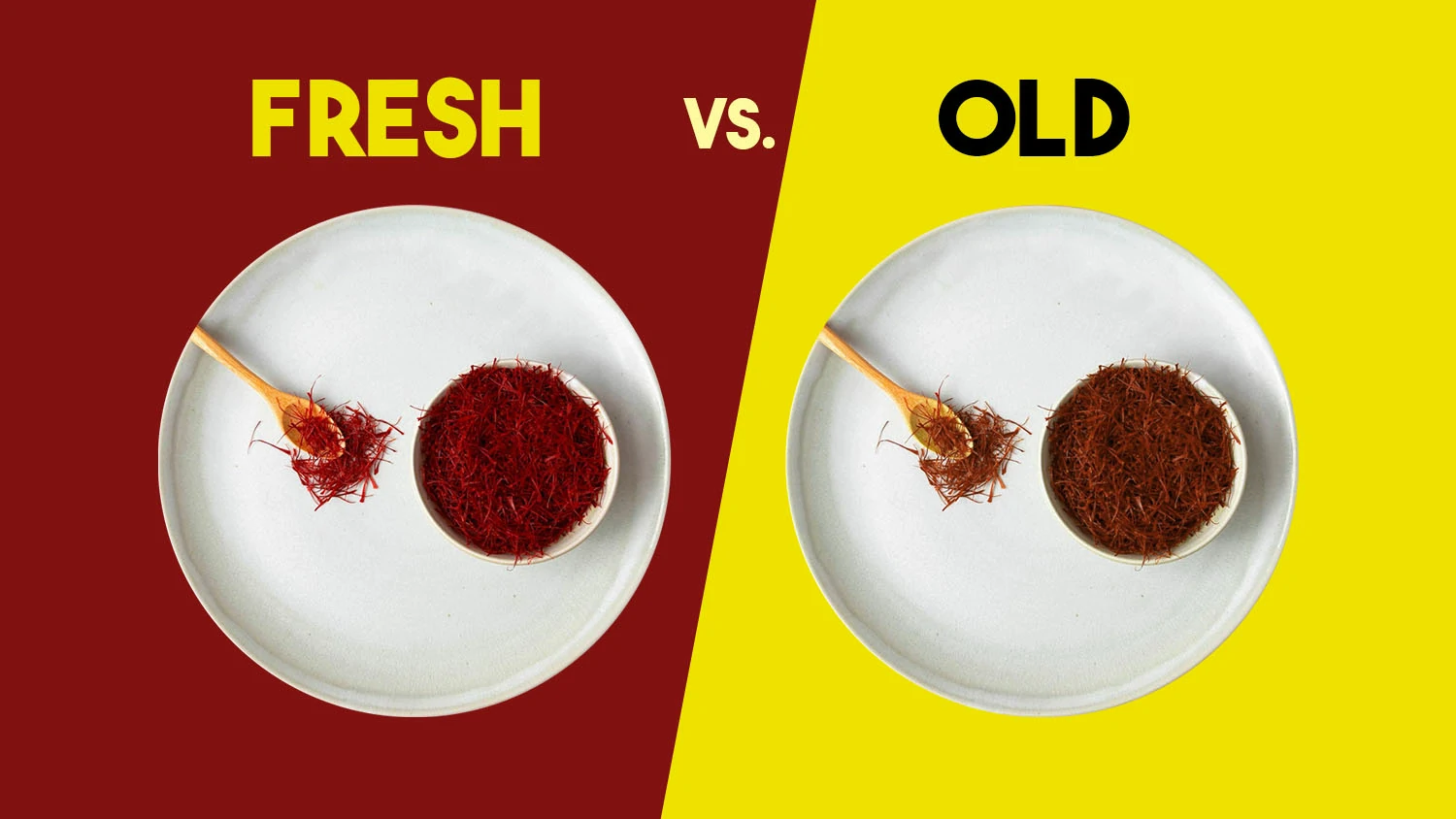
Saffron Threads and Saffron Powder
Origin and Appearance
Saffron threads are the dried stigmas of the crocus flower, a plant that blooms only for a few weeks each year. Each flower holds just three tiny red stigmas, which are carefully handpicked before dawn — when their color and aroma are at their peak.
Visually, saffron threads look like tiny red-gold filaments, often with darker tips and a vivid orange hue when soaked in warm water. This form is the most natural, pure, and least processed version of saffron.
How Saffron Threads Are Made
After harvesting, the stigmas are gently dried under controlled heat. This process preserves their rich pigment, floral aroma, and potent compounds — crocin, safranal, and picrocrocin — responsible for saffron’s color, fragrance, and flavor.
It’s a process that requires not only precision but also care. Around 75,000 flowers are needed to produce a single pound of saffron, making these threads more precious than gold.
Common Culinary Uses of Saffron Threads
Chefs and home cooks alike treasure saffron threads for their authenticity. They are often steeped in warm water, milk, or broth before being added to recipes — releasing that deep golden hue and unique aroma.
- Persian rice dishes
- Saffron tea or golden milk
- Desserts such as custards, ice creams, and cakes
- Marinades, stews, and soups where visual appeal matters
What Is Saffron Powder?
If threads are saffron in its purest form, saffron powder is its most convenient and concentrated version. This form turns the spice into an easy-to-use golden dust that blends instantly into dishes.
For a closer look at its ground form and why many chefs love it, check out our guide to saffron powder
How Saffron Powder Is Produced
Saffron powder is made by grinding dried saffron threads into a fine, smooth powder — either manually with a mortar and pestle or using specialized grinders. Some commercial producers mix it with other spices or starches to stretch the product, so it’s always best to source pure, high-quality saffron powder from trusted brands.
Advantages of Saffron Powder
Saffron powder offers ease and speed. No soaking, no straining — just a quick pinch and instant color infusion. Key advantages include:
- Faster blending into sauces, batters, and doughs
- Precise measurement for recipes
- Even distribution of color and aroma
- Perfect for professionals or quick home cooking
Common Culinary Uses of Saffron Powder
Saffron powder works beautifully in many recipes that benefit from instant infusion and even color.
- Baking and dessert recipes for consistent flavor
- Smooth drinks, lattes, or cocktails
- Soups, sauces, and curries that require even coloring
- Quick marinades and rice dishes where soaking isn’t practical
Saffron Threads vs. Saffron Powder: Key Differences
Here are the core distinctions between these two forms to help you decide which suits your dish best.
- Form: Natural stigmas of the flower (threads) vs. finely ground saffron threads (powder)
- Flavor Release: Slow and aromatic (threads) vs. quick and evenly blended (powder)
- Visual Appeal: Adds authenticity and texture (threads) vs. provides uniform color (powder)
- Shelf Life: Longer if stored properly (threads) vs. shorter due to oxidation (powder)
- Usage: Ideal for traditional recipes (threads) vs. convenient for modern cooking (powder)
In short, saffron threads are best for ceremonial, traditional, or slow-cooked dishes, while saffron powder shines in quick recipes or professional kitchens.
Curious why some saffron threads are more vibrant or aromatic? It all comes down to the types of saffron and where they’re grown.
Which One Is Better for Cooking?
It depends on what you value most — purity or practicality.
If you’re cooking a traditional dish and want that unmistakable saffron bloom in your rice or dessert, go for threads. They let you see, smell, and taste saffron in its truest form.
But if you’re after ease, consistency, and even flavor distribution — powder can be your best friend. It dissolves instantly, saving precious time without compromising on color or taste.
For most chefs, the answer isn’t one or the other — it’s both. Threads for presentation and infusion, powder for blending and baking.
Storing Saffron Properly
Whether you prefer threads or powder, storage is key to keeping saffron’s potency intact.
- Keep it in an airtight container, away from moisture and sunlight.
- Store in a cool, dark place, ideally in glass or metal tins.
- Avoid plastic containers, which can absorb the aroma.
- Proper storage can extend the shelf life of saffron threads for up to two years, while powder is best used within six to twelve months.
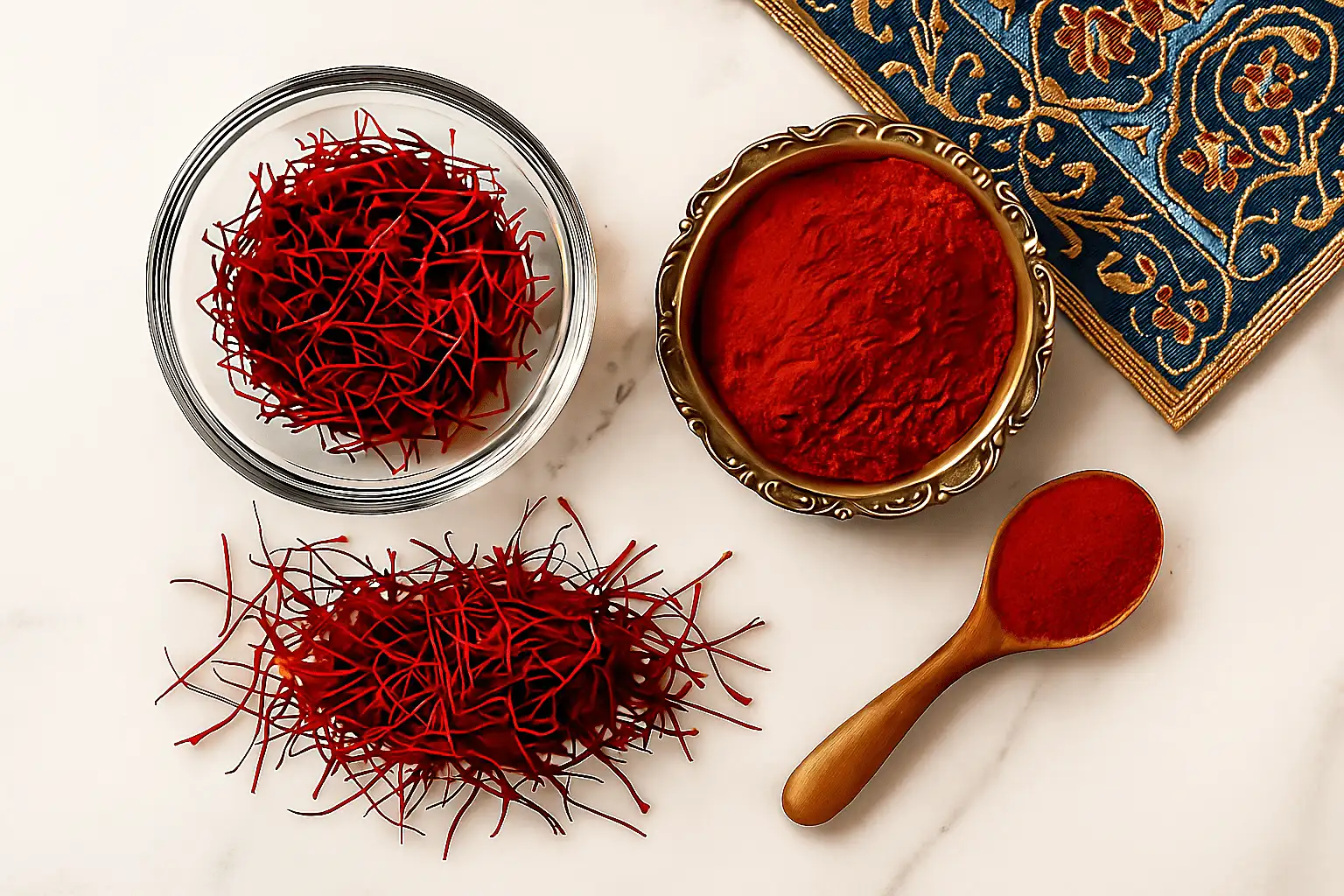
Saffron Threads vs Saffron Powder
Final Verdict: Threads or Powder?
When it comes to Saffron Threads vs. Saffron Powder, both forms have their charm. Threads capture saffron’s heritage — the slow, mindful art of cooking. Powder, on the other hand, brings saffron’s magic into the modern kitchen — quick, easy, and consistent.
If you value authenticity and ritual, choose threads.
If you need convenience without compromise, choose powder.
Or, do what many saffron lovers do — keep both on hand and let your dish decide.