It’s simple to think of saffron as just saffron, the red gold as it’s long been known. But venture into a supplement shop or view a supplement online, and you’ll see a different story — that story is about saffron extract.
Same flower, different products. While one can be used for coloring and flavoring, a completely different product promises mood, attention, and wellness. And so, it’s saffron vs saffron extract — which one do you really need?
In this article, we’ll delve into how they are made, their uniqueness, and how to make informed decisions about using, formulating, or supplementing, as a cook, formulator, or individual.
Want to see why saffron remains unmatched in purity and flavor? buy saffron threads and compare it yourself to any extract.
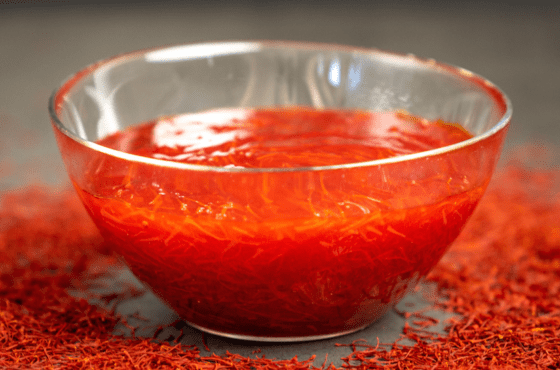
Saffron
Saffron vs. Saffron Extract – A Quick Comparison Overview
Before we dig deeper into specifics, here’s a brief comparison of saffron vs. saffron extract:
This quick view already shows that, despite both being from the same flower, they serve a different purpose with vastly different strengths.
| Feature | Saffron Threads | Saffron Extract |
|---|---|---|
| Source | The dried stigmas of the flower Crocus sativus | Concentrated biologically active substances (crocin, safranal, picrocrocin) |
| Major Use | Culinary purposes: flavoring, coloring, and aroma | Dietary supplements, nutraceuticals, cosmetic products |
| Form | Threads or powder | Capsules, liquid drops, or standardized powder |
| Potency | Naturally variable based on grade | High concentration and standardization |
| Shelf Life | 2 to 3 years | 1 to 2 years depending on formulation |
| Price Range | High, based on purity and grade | Moderate to high, depending on standardization |
How They’re Made
Saffron, despite being made from the same flower as saffron extract, takes a completely different route from the moment it gets harvested. Understanding the processing of both products clarifies why their use and impact feel so different.
Saffron Threads
Saffron threads result from drying the red stigmas of the Crocus sativus flower. Each flower contains only three small stigmas, extracted by hand. Processing is minimal to preserve the spice’s aroma, pigment, and properties.
The highest quality saffron, like Super Negin, has the greatest levels of crocin and safranal, which account for saffron’s color and aroma.
Saffron Extract
Saffron extract goes a step further. Instead of keeping threads whole, extraction techniques (like water or ethanol extraction) purify the main compounds — crocin, safranal, and picrocrocin — responsible for color, aroma, and flavor.
This results in a potent powder or liquid that provides saffron’s biological benefits in a purified, concentrated form.
Before choosing between threads and extract, it helps to know what is saffron extract and why it’s becoming a wellness essential.
Key Differences in Use
The main difference between saffron and saffron extract lies in purpose.
Saffron Threads used in: cooking — soak in warm water or milk to extract flavor, then mix into rice, desserts, or teas.
Saffron Extract used in:
-
- Dietary supplements for mood, stress, and appetite
- Functional drinks and health formulas
- Pharmaceutical and nutraceutical products requiring consistency
Saffron threads communicate with the senses, while saffron extract communicates with science — both valuable in their own ways.
Which One Should You Choose?
Your choice depends entirely on your goal:
- For culinary use: Choose pure saffron threads for unmatched essence, flavor, and color.
- For health and wellness: Choose saffron extract, standardized for precise active compounds linked to mood, focus, and energy.
- For both flavor and function: Use both — saffron in dishes and extract in supplements or drinks.
In summary, saffron enhances dishes; saffron extract supports wellness. The choice depends on your intent.
Safety, Dosage, and Buying Tips
Knowing the right dosage and how to spot genuine, lab-tested saffron helps protect both quality and results.
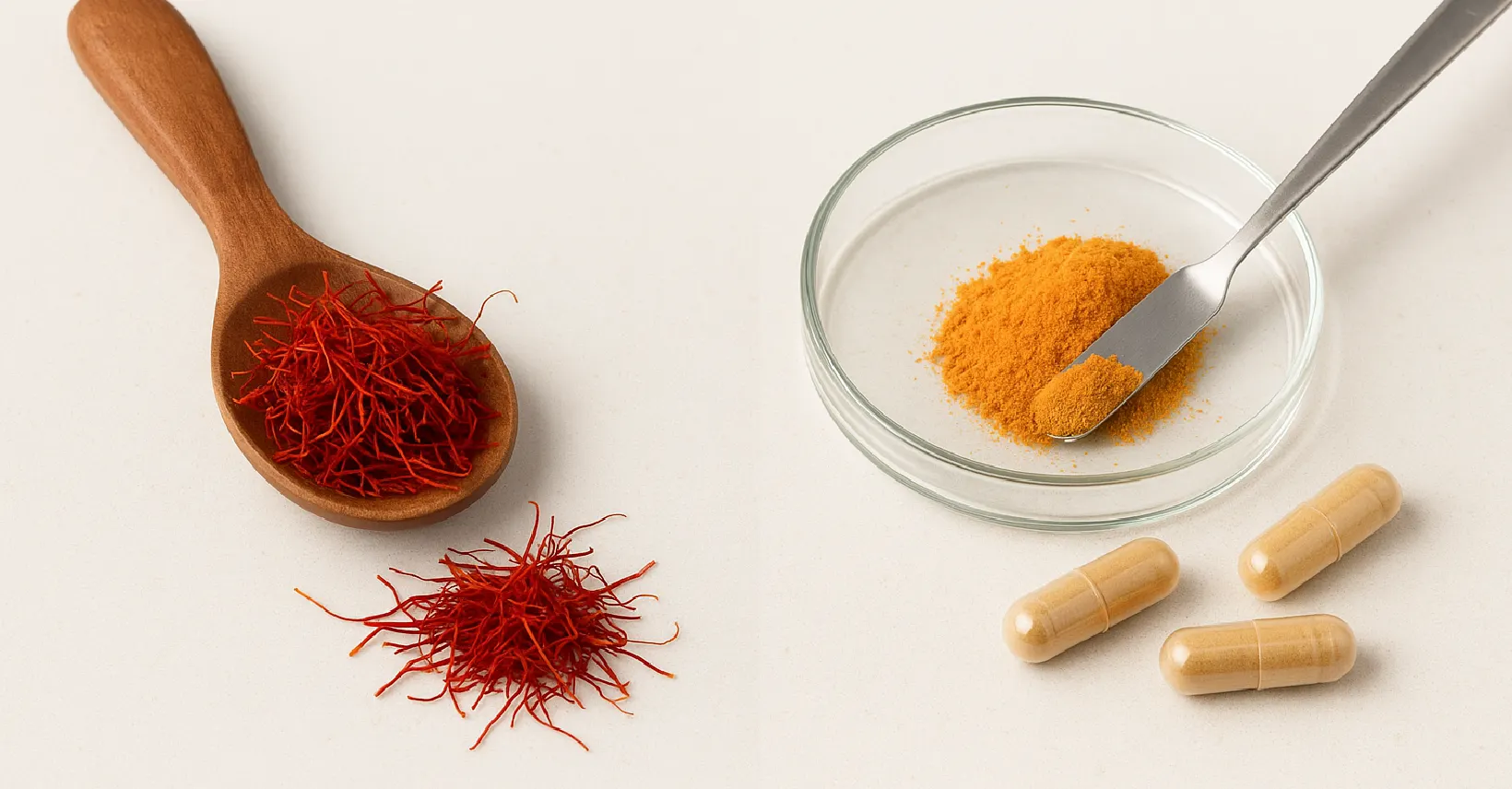
Saffron vs Saffron Extract
For Saffron Threads
- Use a small pinch (20–30 mg per serving).
- Buy from licensed vendors offering ISO 3632 tested saffron.
- Store in a cool, dark, dry place.
For Saffron Extract
- Typical dosage: 15–30 mg per day, standardized to 2–3% safranal.
- Avoid unverified or untested products.
- Look for third-party lab testing, non-GMO verification, and ingredient transparency.
Conclusion
Saffron and saffron extract share a common origin but serve different worlds — one culinary, one scientific. Saffron threads appeal to artistry and flavor; saffron extract represents precision and consistency.
To experience these benefits in a reliable, concentrated form, consider exploring and buy saffron extract from trusted, lab-tested sources.
In all cases, prioritize quality — genuine, lab-tested saffron or saffron extract ensures purity, potency, and peace of mind.