
Saffron, as the most expensive spice in the world, has long been considered for its medicinal and therapeutic properties; but the question that arises for many pregnant women is whether consuming saffron in the third trimester of pregnancy is safe and what properties does it have? Pregnancy is one of the most sensitive periods in a woman’s life, requiring special care and proper nutrition. In the meantime, many pregnant women are looking for ways to improve their mood, reduce stress, and enhance their health.
In this article, we will examine in detail the properties of saffron during pregnancy, the possible harms of consuming saffron in the third trimester, and the amount of saffron consumption during pregnancy. For more information on this topic, stay with us until the end of this article in the saffron series of articles.
Saffron; a spice with unique properties
Saffron is obtained from the dried stigmas of the Crocus sativus flower and is used in the food, pharmaceutical and cosmetic industries due to its unique taste, color and aroma. The main active ingredients of saffron include crocin (responsible for the color), saffron picrocrocin (responsible for the flavor) and safranal (responsible for the aroma).These compounds have antioxidant, anti-inflammatory, antidepressant, and anti-cancer properties. As a result, considering the unique compounds present in this valuable spice, the use of saffron is recommended in the third trimester of pregnancy and for all ages and for all people.
Benefits of saffron during pregnancy: myth or reality?
As you know, in traditional medicine, saffron has been used as an herbal medicine to treat many diseases and health problems. During pregnancy, some women have also used saffron to reduce symptoms of nausea, improve sleep, reduce stress, and increase energy; but do these beliefs have a scientific basis?
In general, saffron, as a valuable spice, can have numerous benefits during pregnancy. These benefits include improving mood, reducing stress and anxiety, helping to improve sleep, and even reducing some muscle and joint pain.The compounds in saffron also help improve blood circulation, which is beneficial for the health of the mother and fetus; for this reason, consuming saffron is recommended during the first trimester of pregnancy.
However, it is important to use saffron in moderation during pregnancy and to consult a doctor before consuming it, as excessive consumption may cause unpleasant side effects. In fact, research has shown that moderate consumption of saffron during pregnancy can have some benefits. Some of these benefits include:
1. Reduces pain and improves blood circulation
Consuming saffron during the third trimester of pregnancy can help reduce muscle and joint pain. The anti-inflammatory properties of saffron can help reduce inflammation and pain in the body. In addition, saffron can help improve blood circulation in the body, which can be beneficial for the health of the mother and fetus.
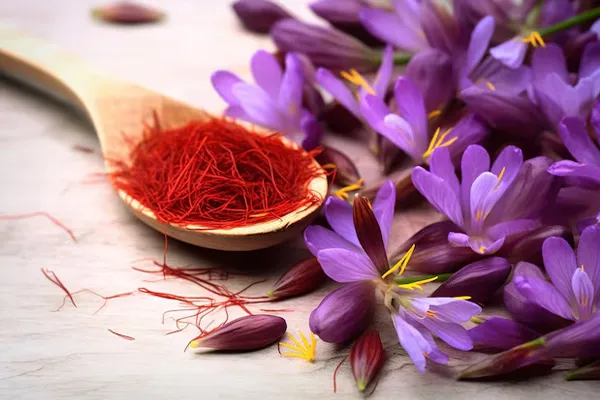
Can saffron be consumed in the third trimester of pregnancy
2. Reduce stress + improve mood and sleep
The benefits of saffron during pregnancy include reducing stress and anxiety. The compounds in saffron can also help calm the nervous system and reduce cortisol (the stress hormone) levels.
Saffron can also help increase levels of serotonin in the brain, which is a neurotransmitter that helps regulate mood. Some studies have shown that consuming saffron can help reduce symptoms of depression during pregnancy. Some pregnant women also suffer from sleep problems. Saffron can help improve sleep quality and reduce insomnia.
Saffron consumption in the third trimester of pregnancy; necessary precautions
While consuming saffron during pregnancy can have some benefits, it is important to take precautions. Saffron consumption during the third trimester of pregnancy should be done with caution and under the supervision of a doctor.Excessive consumption of saffron during this period can have serious side effects. Some of the possible side effects of excessive consumption of saffron during pregnancy include:
- Uterine contractions: Saffron can stimulate uterine contractions, which can increase the risk of premature birth.
- Bleeding: Excessive consumption of saffron can cause bleeding.
- Nausea and vomiting: Some women may experience nausea and vomiting after consuming saffron.
- Dizziness: Saffron can cause dizziness.
- Allergic reactions: Some people may be allergic to saffron and experience allergic reactions after consuming it.
Saffron in the third trimester of pregnancy; the appropriate amount to consume
The appropriate amount of saffron to consume during pregnancy depends on various factors, including the mother’s health status, gestational age, and individual sensitivity to saffron. In general, to benefit from the properties of saffron during pregnancy, it is recommended that pregnant women avoid consuming more than 0.5 grams of saffron per day.It is also best to consult your doctor before consuming saffron during pregnancy.
How to consume saffron during pregnancy
To benefit from the properties of saffron during pregnancy, saffron can be used in various ways. Some of the common methods include:
- Adding saffron to food: The best way to consume saffron in the third trimester of pregnancy is to add a few strands of saffron to your foods to improve their flavor and aroma.
- Making saffron tea: You can make saffron tea by steeping a few saffron strands in boiling water. This tea can help reduce stress and improve sleep.
- Using saffron supplements: If you wish, you can use saffron supplements; but be sure to consult your doctor before taking saffron supplements.
Important tips about buying and storing saffron
Note that if your doctor approves the use of saffron in the third trimester of pregnancy, be sure to purchase it from reputable stores to ensure the quality and authenticity of the saffron.In other words, it can be said that to benefit from the properties of saffron during pregnancy, it is necessary to purchase genuine, high-quality saffron, because fake saffron not only has no properties, but can also cause serious complications for the mother and fetus.Genuine saffron should have a dark red color, a strong aroma, and a bitter taste. Also, store saffron in a sealed container in a cool, dry place.