
Have you ever wondered what would happen if you made saffron a part of your daily routine? This ancient spice—often called “red gold”—isn’t just for luxury dishes. When used daily, saffron can transform your mood, energy, and even the way your body feels.
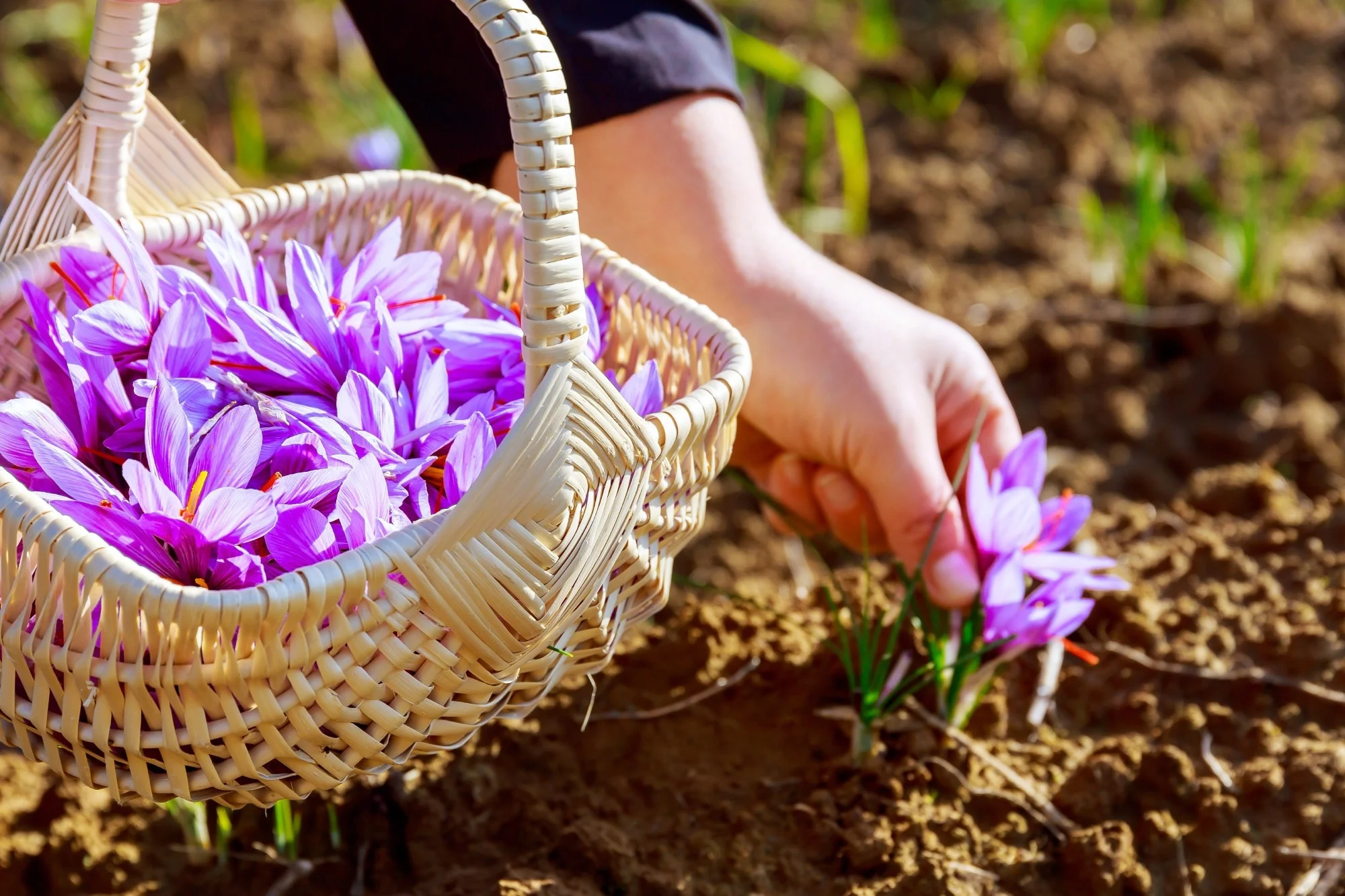
We Take Saffron Every Day
1. A Natural Mood Lifter
Saffron is rich in compounds like crocin and safranal, which help boost serotonin levels—the same chemical that keeps you happy. Regular use may reduce stress, anxiety, and mild depression. It’s like a daily dose of sunshine for your brain.
2. Glowing Skin and Better Digestion
Taking saffron every day can improve blood circulation and help cleanse toxins from the body. The result? Brighter skin, improved digestion, and less bloating. Many even mix saffron with warm milk at night to wake up feeling refreshed.
3. Sharper Memory and Focus
Saffron supports brain health and helps improve memory and focus. That’s why it’s being studied for use in Alzheimer’s prevention. Just a few threads each day can make your mind more alert and calm.
4. Better Sleep and Relaxation
Drinking saffron tea or saffron milk before bed helps you relax. Its natural antioxidants calm the nervous system, allowing for deeper, more peaceful sleep.
5. Boosted Immunity and Energy
Saffron is packed with antioxidants that protect cells from damage and strengthen your immune system. Taking it daily helps your body fight fatigue and stay active.
6. But Don’t Overdo It
While saffron is powerful, moderation is key. Just 3–5 threads a day is enough. Too much saffron can cause dizziness or nausea. Think of it like medicine—pure, but potent.
Enjoy saffron as a seasoning
In general, it’s OK to eat food cooked with herbs and spices during cancer treatment. However, these herbs and spices are not necessarily recommended as supplements.
“Food-based herbs, when eaten in normal amounts, are perfectly safe and beneficial. They can help with anti-inflammatory properties and symptom management,”
Wondering how much saffron is safe to consume? Recent studies have found that it’s safe for healthy individuals to consume up to 1.5 grams of saffron per day. Cancer patients should limit themselves to 0.4 grams of saffron a day from food.
Be aware of saffron side effects and risks
Some people should avoid high doses of saffron. This includes:
- Pregnant women
- People with kidney disorders
- People with bleeding disorders or at risk of bleeding disorders
These high doses of saffron are often found in supplements, not food.
Saffron can also interact with some medications, which may include some cancer treatments and certain mental health medications. If you have cancer, speak to your care team about any supplements you use.
High doses of saffron supplements or saffron extract may lead to side effects,
- Impact appetite
- Cause headaches
- Contribute to anxiety symptoms
- Lead to blood thinning
These side effects aren’t caused by regularly eating foods that contain saffron spice. Instead, they may occur if you consume large amounts of saffron extract. This is because the compounds in saffron extract “can vary in potency and concentration.
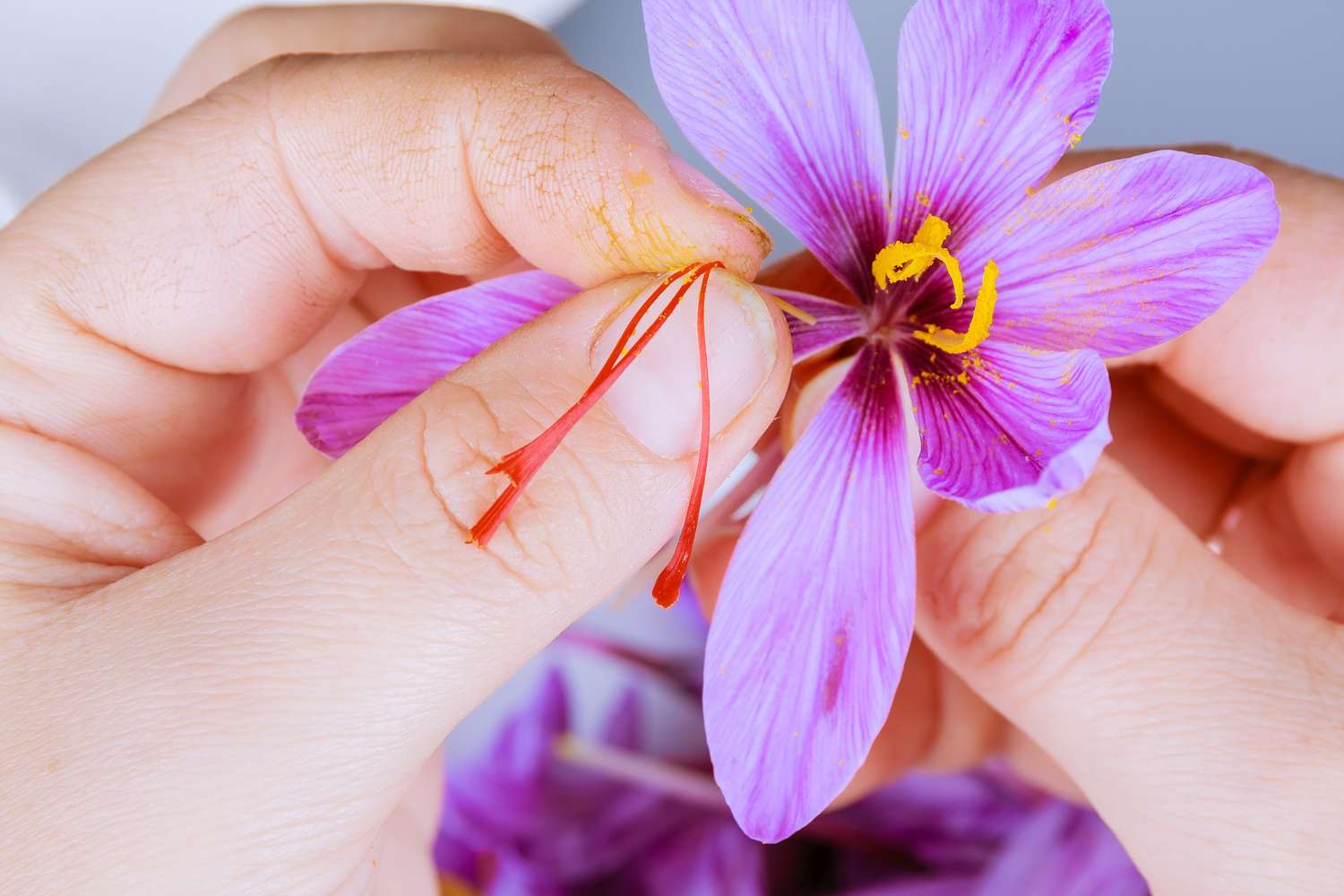
What Happens If We Take Saffron
Saffron may help reduce stress and anxiety
Saffron’s referred to as the ‘sunshine spice’ for more than just its golden hue. There’s emerging evidence to suggest it might support your mood when taken over a period of time, a specific brand of saffron, possibly plays a role in stress management at 30mg per day (0.2% safranal) versus a placebo, when taken for eight weeks.
Saffron may support sleep
It also found that saffron increased evening levels of melatonin, the ‘sleep hormone’.