
Nuts have long been a popular snack and an important part of a healthy diet. But what makes nuts so healthy? In this blog post, we will take a closer look at the nutritional value and benefits of nuts and present you with five fascinating facts that might surprise you. Learn why nuts are true nutritional powerhouses, how they promote heart health, and why they are especially valuable in supporting a vegetarian or vegan diet. Get inspired and discover why you should make nuts a staple in your daily diet.
Nuts Are Nutritional Powerhouses
Nuts are true nutritional powerhouses, packed with valuable nutrients. Whether it’s hazelnuts, walnuts, cashews, or pistachios, each type of nut has its own unique nutrient profile. But in all nuts, you will find an impressive variety of vitamins, minerals, healthy fats, and proteins that benefit your body.
The key nutrients in nuts include:
- Vitamins: Nuts are rich in vitamin E, known as a powerful antioxidant that protects your cells from damage. They also contain various B vitamins, which are important for energy metabolism and the nervous system.
- Minerals: Magnesium, potassium, calcium, zinc, and iron are just a few of the minerals found in nuts. These support numerous bodily functions, from bone health to immune defense.
- Healthy Fats: Nuts contain many unsaturated fatty acids, especially omega-3 and omega-6 fatty acids, which are crucial for heart health.
- Proteins: Nuts are an excellent plant-based protein source, particularly important for vegans and vegetarians.
- Fiber: Fiber supports digestion and provides a longer-lasting feeling of fullness.
By regularly consuming nuts, you can ensure that your body is supplied with these essential nutrients. A handful of nuts a day is enough to make a valuable contribution to your health.
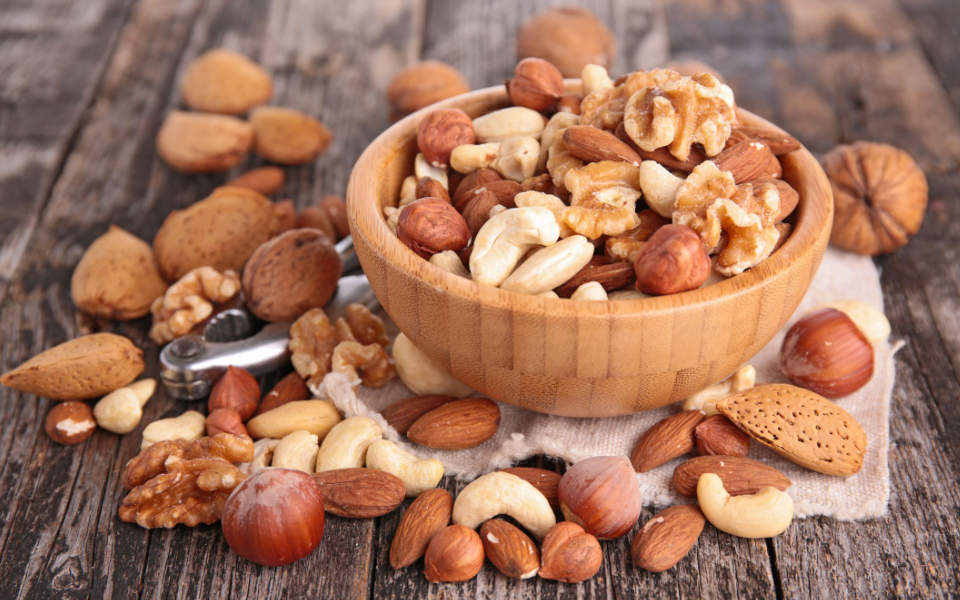
NUTS HEALTHY
Nuts Promote Heart Health
Nuts are not only delicious but also excellent for your heart. Numerous studies have shown that regular consumption of nuts can significantly reduce the risk of cardiovascular diseases. This is mainly due to the unsaturated fatty acids that are abundant in many types of nuts.
Unsaturated fatty acids, particularly omega-3 and omega-6 fatty acids, help regulate cholesterol levels in the blood. They increase “good” HDL cholesterol and lower “bad” LDL cholesterol, keeping the arteries healthy and reducing the risk of plaque formation.
Additionally, nuts contain antioxidants such as vitamin E, which protects your cells from damage caused by free radicals and reduces inflammation in the body. This antioxidant effect is particularly important for heart health, as chronic inflammation can contribute to heart disease.
Walnuts and almonds are particularly noteworthy:
- Walnuts: They are rich in omega-3 fatty acids, known for promoting heart health and reducing the risk of heart arrhythmias.
- Almonds: Strictly speaking, almonds are not true nuts but the seeds of the almond fruit. However, they are often counted among nuts and are high in vitamin E and magnesium, which help regulate blood pressure and support heart function.
Nuts Are Ideal for a Vegan and Vegetarian Diet
For vegans and vegetarians, nuts are especially valuable because they are an excellent source of protein. Plant-based proteins can help you meet your daily amino acid needs, which your body requires for muscle building, repair, and overall health. Nuts offer high-quality protein that is easy to incorporate into your diet.
In addition to proteins, nuts also contain important minerals such as iron and zinc, which are often consumed in insufficient quantities in a plant-based diet. These minerals are particularly important for blood formation and a strong immune system.
Another advantage of nuts is their healthy fat content. The unsaturated fatty acids in nuts are not only good for your heart but also support the absorption of fat-soluble vitamins such as vitamins A, D, E, and K.
Here are some simple tips on how to incorporate nuts into your vegan or vegetarian diet:
- Snacks: Eat a handful of nuts as a between-meal snack.
- Salads: Sprinkle chopped nuts over your salad for added crunch and nutrients.
- Smoothies: Mix a small amount of nut butter into your smoothie for extra protein and healthy fats.
- Baking: Incorporate nuts into your favorite baked goods, like muffins or breads.
By integrating nuts into your daily diet, you ensure that you receive essential nutrients necessary for your health and well-being. This keeps you fit and full of energy!
Nuts Support Digestion
Nuts are not only delicious but also excellent for your digestion. They are rich in fiber, which plays an important role in supporting a healthy digestive system. Fiber helps regulate bowel movements and promotes regular and healthy digestion.
The fiber in nuts helps food move through the digestive tract more quickly and efficiently. This can prevent constipation and contribute to overall better digestive comfort. Additionally, fiber can promote the growth of healthy gut bacteria, leading to improved gut flora and a stronger immune defense. A fiber-rich diet supports the health of the intestinal wall and can reduce the risk of digestive diseases. Furthermore, fiber provides a longer-lasting feeling of fullness, helping to prevent overeating and maintain a healthy weight.
Nuts Can Reduce the Risk of Chronic Diseases
Nuts are not only delicious and versatile but also powerful allies in the fight against chronic diseases. Regular consumption of nuts can help reduce the risk of various chronic conditions, thanks to their rich nutrients and antioxidants.
Antioxidants found in many nuts protect your cells from oxidative stress and free radicals, which can lead to inflammation and various diseases. Vitamin E, one of the common antioxidants in nuts, plays a vital role in protecting cell membranes and promoting heart health.
Numerous studies have shown that regular consumption of nuts can reduce the risk of cardiovascular diseases, type 2 diabetes, and even certain types of cancer. The healthy fats, fiber, and micronutrients in nuts help lower blood pressure, stabilize blood sugar levels, and reduce inflammation in the body.
Pistachios and hazelnuts are particularly impressive examples:
- Pistachios: These nuts are rich in antioxidants, including lutein and zeaxanthin, which can reduce the risk of eye diseases. They also contain phytosterols that help regulate cholesterol levels.
- Hazelnuts: These nuts offer a high concentration of folic acid and vitamin E, which can reduce the risk of heart disease and support brain function.
By regularly incorporating nuts into your diet, you can actively contribute to reducing your risk of chronic diseases and improving your overall health.
Why Are Nuts High In Calories?
Although nuts are high in fat, it’s mainly healthier unsaturated fat. They contain protein, B vitamins, vitamin E and minerals, including iron, potassium, selenium, magnesium, zinc and copper, which is crucial for heart health.
Healthy mono- and poly-unsaturated fats – found in nuts, and other foods like seeds, avocado, olives and fish – can help improve cholesterol levels by decreasing ‘bad’ (LDL) cholesterol and increasing ‘good’ (HDL) cholesterol . In turn, this can help lower heart disease risk. Eating too much saturated fat, on the other hand, can increase the risk of heart disease.
Eating whole nuts is the best way to include nuts in your diet, especially if you eat them instead of other snacks like crisps or biscuits. Just make sure they are unsalted and don’t have coatings, which can add sugar, fat and sometimes salt.
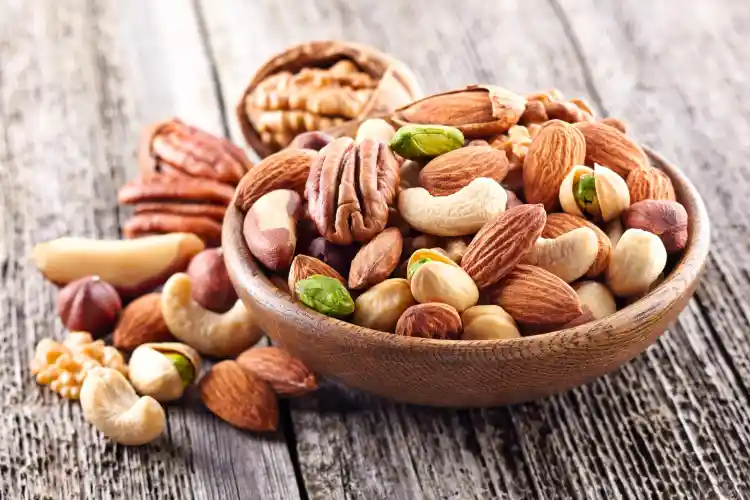
Do We Absorb All Of The Calories In Nuts?
Nuts consist of millions of tiny cells, and these have cell walls, which is the fibre, and they have a really important structural role, and within these cell walls are, tiny fat globules. Now, if I very, very finely grind the nuts, I break down the cell walls, and the fat bursts out. But when you eat whole nuts, the matrix, so the structure of these cell walls remains intact. So the fat is remaining within the cell walls and it’s therefore not easily digestible.
And so, research has show that 30% fewer calories are absorbed from these whole nuts compared to what’s predicted based on the ingredients listed on the back of pack labelling, and this is true of nearly all nuts. From this research, it has consistently been found that the back of pack labelling information overestimates the calorie amount by about 30%.
How Important Is It To Eat Nuts?
To conclude, dried, chopped, made into a butter, or roasted over an open fire, nuts provide the nutrients our brains and bodies need in surprisingly high quantities – and thus should not be overlooked as the perfect snacking addition to our diets.
Having different types of nuts is great because whilst nearly all nuts contain a fantastic combination of healthy fats and ‘magic’ polyphenols, they do also differ slightly in some of their other attributes. So having mixed nuts is great. If you can change your typical snacks to nuts, you’ll likely see big improvements in your health.